
OopBuy Spreadsheet: Turn Saved Ideas into a Checkable Plan
Use an OopBuy spreadsheet to turn product ideas into a shortlist you can actually compare. Start with the item you want, open its details and check the option that suits you. A saved link helps you return to a product; it does not reserve stock, select the right size for you or settle the cost of a parcel.
Begin with one useful comparison
Decide what the item needs to do before saving several alternatives. If you want a layer to wear over a sweatshirt, compare the measurements with a garment you already use that way. If you want trousers for everyday wear, consider the length and fit with the shoes you usually wear. These are different questions from whether a product photo looks appealing.
Keep the intended colour and size beside the link. When you return to the product, confirm that those choices still match the page. A default selection may not be the one you meant to compare. Use the size guide when a measurement method or size chart needs closer attention.
For a simple shortlist, note the item, selected option, displayed currency, date and the question you still need answered. That question might be about a measurement, a visible detail or what an amount includes. You do not need a complicated sheet; you need to be able to explain why one candidate is still on it.
Open the product before judging the listing
An attractive thumbnail is a starting point, not the whole comparison. View the white floral-lightbulb graphic T-shirt, or browse the product catalog for alternatives. Look for the information relevant to your choice, then return to your shortlist. If product options have not loaded, do not assume a size is available. Do not transfer size advice or order photos from another item merely because the designs look similar.
If a saved address now opens a search page or another product, keep the original note while investigating the change. A new candidate can replace an old one after you compare it, but its details should not silently inherit the previous item's claims. The links guide explains this process, and OopBuy spreadsheets covers broader collection choices.
Keep the spending decision complete
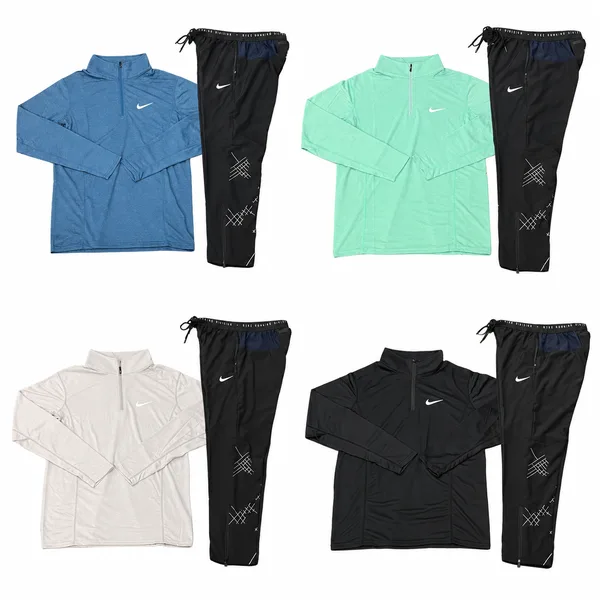
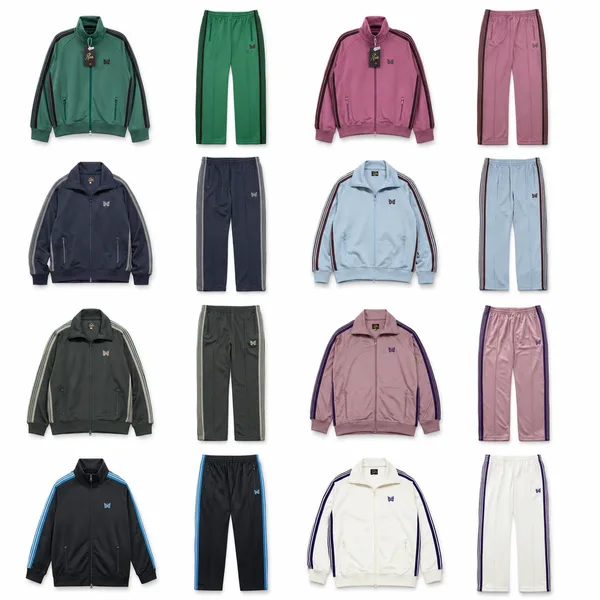
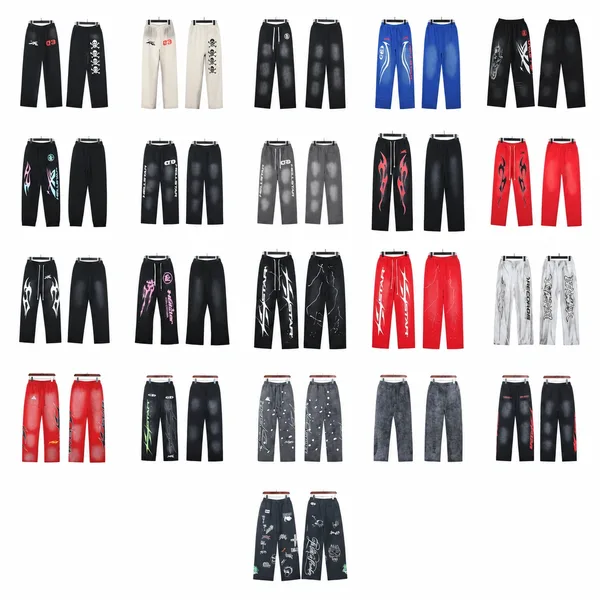
Start the clothing guide for knitwear, jackets, trousers and sets, including how to approach women's fit requirements within garment-type collections.
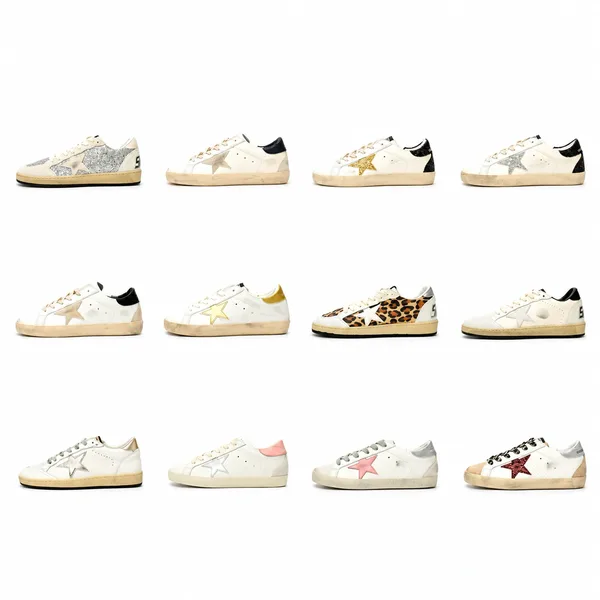
Looking specifically for footwear? The OopBuy shoes spreadsheet guide connects shoe discovery with size-system checks, paired QC views and packing choices.
A product amount is only useful when you know what it covers. Check the quantity, selected option and currency before comparing two prices. Treat an OopBuy coupon or points offer as a separate question until you understand the conditions and the effect on your purchase.
Plan the parcel as well as the product. Weight, dimensions, contents, destination and service can affect a shipping comparison. Use the shipping calculator guide to organise those inputs and the shipping guide to keep the estimate tied to the parcel you actually intend to send. Adding unwanted products is not a saving simply because it changes the average cost per item.
Know what each photo and review can answer
QC photos can help you inspect a visible feature when they concern the relevant item and option. A useful view of a seam does not establish comfort, and a photograph of a parcel does not establish the condition of everything inside it. Decide what you need to see before treating an image as an answer.
Community finds and reviews can introduce candidates or highlight questions. Read what the writer actually experienced: browsing, a product inspection or a completed delivery. Do not compare two delivery durations without understanding when each clock started. The delivery-time guide and tracking page help separate those stages.
Move from a shortlist to an order
Carry your selected colour, size and item link into the buying guide. Match each received item with its QC photos before you decide which pieces belong in the parcel. The warehouse guide helps separate items ready for packing from those still awaiting a decision.
Check the result of a payment or packing request before repeating it. Keep a product order and a dispatched parcel as separate records, then follow the actual events in the tracking guide.
Read in another language
Use the Swedish collection to compare separate pieces and sets, then continue to the Sweden shipping example or QC viewing guide.
The Austria collection compares individual pieces and sets, with a historical Austrian shipping example and QC guidance on useful views. Parcel destination remains a separate question from the language of a report.
The Slovak collection covers the same core buying questions, with a historical Slovakia shipping example and a QC viewing guide. Its language does not establish current route availability.
The German section contains German-language guides. For Spanish, start with OopBuy opiniones or ¿OopBuy es confiable?. Czech readers can consult OopBuy recenze. Each link opens the language indicated; the main guides above are in English.
Run a small, relevant test
Choose a category you actually intend to buy and open several relevant entries. Check whether the destination matches the named item, whether your colour or size remains selected, and whether the description explains measurements rather than merely displaying a size letter. Keep a note of a missing detail instead of assuming that another row will supply it.
Test both an appealing entry and one you are uncertain about. The uncertain entry reveals whether the collection helps you resolve a question or simply encourages another click. A useful list should let you decide that an item is not right for you without losing track of why.
Judge the organisation by how you use it
Look for categories that help you narrow the selection, but check whether the entries within them are meaningfully different. Several colours of one listing can be useful options without representing several independent product recommendations. Likewise, repeated destinations under different names should not make a collection seem broader than it is.
A readable title and a clear return route matter when comparing multiple items. Save the original collection location along with the product destination so you can return to the explanation that led you there. If an address changes, the spreadsheet links guide explains why a similar photograph is not enough to establish that the replacement is the same item.
Keep each comparison attached to the right option
Write the unresolved question beside the item: a measurement, an included piece, a variant label or a parcel input. Treat listing images, matched QC photos and another buyer's example as different evidence types. Do not move a detail from one option into another row because the titles look similar.